Combination Wrenches -- Professional Guide
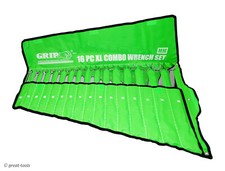
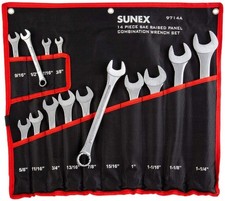
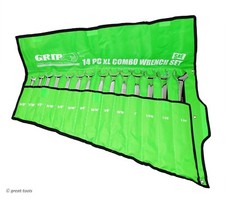
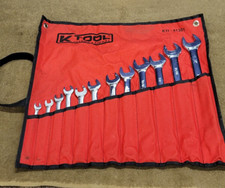
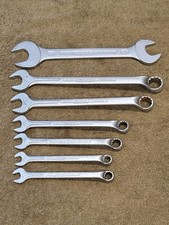
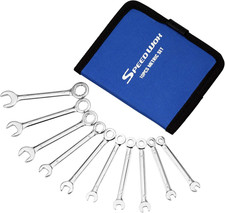
A combination wrench has an open end on one side and a box end (closed ring) on the other. The open end allows quick initial turning; the box end provides a more secure grip for final torquing. Both ends are typically sized identically, making it the most versatile single wrench a mechanic can own.
This guide covers Combination Wrenches as part of our Automotive Hand Tools reference. Below you\'ll find current listings alongside information on how these tools are used, what separates professional-grade from consumer options, and what to examine when evaluating a specific tool.
Part of our Automotive Hand Tools guide. The listings above are pulled live and reflect current availability.
Buying Guide: What to Know Before You Buy
How Combination Wrenches Are Used
Used daily across virtually every automotive repair -- removing and installing bolts on engine components, suspension parts, brake calipers, exhaust flanges, and body panels. The combination design means a mechanic rarely needs to switch tools mid-fastener.
Leading Brands
Snap-on, Matco, and Mac Tools produce the benchmark combination wrenches -- thinner profiles, tighter tolerances, and chrome vanadium steel that resists rounding fasteners. GearWrench, Proto, and Craftsman offer solid mid-range options. Cheap imported sets tend to slip on worn fasteners and are false economy in a professional setting.
What to Inspect
Look for rounding on the open-end jaws -- a worn open end will slip and round fasteners. Check the box end for cracks at the ring. High-quality wrenches maintain very tight jaw tolerances; if the open end feels sloppy on a new bolt, pass.
Related Searches
Frequently Asked Questions
What is a Combination Wrenches and what is it used for?
A combination wrench has an open end on one side and a box end (closed ring) on the other. The open end allows quick initial turning; the box end provides a more secure grip for final torquing. Both ends are typically sized identically, making it the most versatile single wrench a mechanic can own. Used daily across virtually every automotive repair -- removing and installing bolts on engine components, suspension parts, brake calipers, exhaust flanges, and body panels. The combination design means a mechanic rarely needs to switch tools mid-fastener.
What brands make the best Combination Wrenches?
Snap-on, Matco, and Mac Tools produce the benchmark combination wrenches -- thinner profiles, tighter tolerances, and chrome vanadium steel that resists rounding fasteners. GearWrench, Proto, and Craftsman offer solid mid-range options. Cheap imported sets tend to slip on worn fasteners and are false economy in a professional setting.
What should I inspect when evaluating a used Combination Wrenches?
Look for rounding on the open-end jaws -- a worn open end will slip and round fasteners. Check the box end for cracks at the ring. High-quality wrenches maintain very tight jaw tolerances; if the open end feels sloppy on a new bolt, pass.
What is the difference between professional and consumer Combination Wrenches?
Professional-grade Combination Wrenches are built to different specifications than consumer versions -- heavier steel, tighter tolerances, more robust mechanisms, and longer-lasting surface treatments. The practical difference shows up in accuracy over time, performance under sustained use, and longevity. A professional tool used daily for a career represents a much better value than replacing consumer versions every few years.
How are Combination Wrenches used differently across industries?
Used daily across virtually every automotive repair -- removing and installing bolts on engine components, suspension parts, brake calipers, exhaust flanges, and body panels. The combination design means a mechanic rarely needs to switch tools mid-fastener. Different industries also have different standards for tool condition and calibration -- a machinist\'s requirements for a measuring tool differ from a carpenter\'s, even when using the same instrument.
As an eBay Partner Network Affiliate, we may earn a commission at no additional cost to you.