As an eBay Partner Network Affiliate, we may earn a commission at no additional cost to you.

Circular Saws -- Professional Guide

📅 Updated May 15, 2026 🔗 BuyUsed.Tools Blog

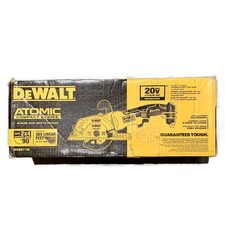
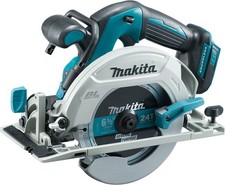
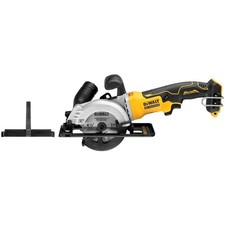
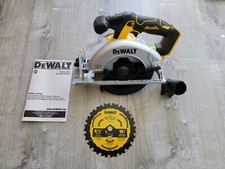
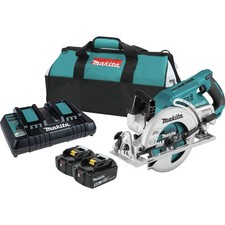
A circular saw uses a rotating toothed blade to make straight cuts in wood, sheet goods, and with appropriate blades, metal and masonry. Sidewinders (blade on the right of the motor) are common in North America; worm drives (blade on the left, inline motor) are preferred on the West Coast for their torque and sight line advantages.

This guide covers Circular Saws as part of our Cordless Saws & Cutting reference. Below you\'ll find current listings alongside information on how these tools are used, what separates professional-grade from consumer options, and what to examine when evaluating a specific tool.

Part of our Cordless Saws & Cutting guide. The listings above are pulled live and reflect current availability.

Loading live listings…
Via eBay • Live results

Loading current listings…
Buying Guide: What to Know Before You Buy

How Circular Saws Are Used

The primary cutting tool on every construction site -- framing, sheathing, decking, and rough carpentry. Finish carpenters use circular saws with fine-tooth blades for trim and cabinet work. The 7-1/4" blade size is standard for framing; smaller 6-1/2" saws are popular for lighter work and finish carpentry.

Leading Brands

Milwaukee, DeWalt, and Makita dominate the professional cordless circular saw market. Skilsaw (the original circular saw brand) remains highly regarded for worm drives. Festool and Mafell make premium track-saw systems for cabinetmakers and finish carpenters requiring dead-accurate cuts.

What to Inspect

Check the blade for sharpness and proper seating. Verify the bevel and depth adjustments lock securely. Test the blade guard for smooth operation -- it must retract and spring back reliably. On cordless saws, verify battery compatibility and charge holding.

Related Searches

Frequently Asked Questions

What is a Circular Saws and what is it used for?
A circular saw uses a rotating toothed blade to make straight cuts in wood, sheet goods, and with appropriate blades, metal and masonry. Sidewinders (blade on the right of the motor) are common in North America; worm drives (blade on the left, inline motor) are preferred on the West Coast for their torque and sight line advantages. The primary cutting tool on every construction site -- framing, sheathing, decking, and rough carpentry. Finish carpenters use circular saws with fine-tooth blades for trim and cabinet work. The 7-1/4" blade size is standard for framing; smaller 6-1/2" saws are popular for lighter work and finish carpentry.
What brands make the best Circular Saws?
Milwaukee, DeWalt, and Makita dominate the professional cordless circular saw market. Skilsaw (the original circular saw brand) remains highly regarded for worm drives. Festool and Mafell make premium track-saw systems for cabinetmakers and finish carpenters requiring dead-accurate cuts.
What should I inspect when evaluating a used Circular Saws?
Check the blade for sharpness and proper seating. Verify the bevel and depth adjustments lock securely. Test the blade guard for smooth operation -- it must retract and spring back reliably. On cordless saws, verify battery compatibility and charge holding.
What is the difference between professional and consumer Circular Saws?
Professional-grade Circular Saws are built to different specifications than consumer versions -- heavier steel, tighter tolerances, more robust mechanisms, and longer-lasting surface treatments. The practical difference shows up in accuracy over time, performance under sustained use, and longevity. A professional tool used daily for a career represents a much better value than replacing consumer versions every few years.
How are Circular Saws used differently across industries?
The primary cutting tool on every construction site -- framing, sheathing, decking, and rough carpentry. Finish carpenters use circular saws with fine-tooth blades for trim and cabinet work. The 7-1/4" blade size is standard for framing; smaller 6-1/2" saws are popular for lighter work and finish carpentry. Different industries also have different standards for tool condition and calibration -- a machinist\'s requirements for a measuring tool differ from a carpenter\'s, even when using the same instrument.
As an eBay Partner Network Affiliate, we may earn a commission at no additional cost to you.