Digital Multimeters -- Professional Guide
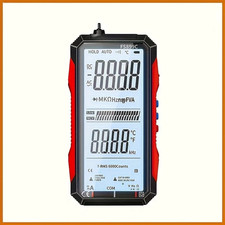
A multimeter measures voltage (AC and DC), current (amperage), and resistance (ohms) in electrical circuits. True-RMS meters accurately measure non-sinusoidal waveforms common in modern electronics and variable frequency drives. High-end meters add capacitance, frequency, temperature, diode testing, and low-impedance modes to prevent false readings.
This guide covers Digital Multimeters as part of our Electrical Testing Equipment reference. Below you\'ll find current listings alongside information on how these tools are used, what separates professional-grade from consumer options, and what to examine when evaluating a specific tool.
Part of our Electrical Testing Equipment guide. The listings above are pulled live and reflect current availability.
Loading current listings…


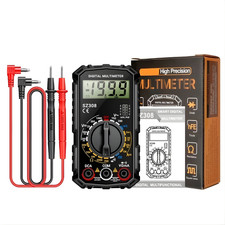






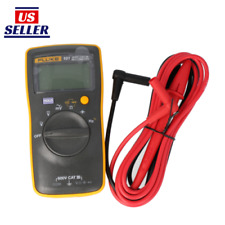

Buying Guide: What to Know Before You Buy
How Digital Multimeters Are Used
The fundamental diagnostic tool for every trade that works with electricity. Electricians use meters to verify voltage presence, check circuit continuity, measure current draw, and diagnose problems in panels, outlets, and equipment. HVAC technicians use them to check motor windings and capacitors. Automotive technicians use them for sensor and circuit diagnostics.
Leading Brands
Fluke is the universal professional standard -- their meters are accurate, durable, and carry CAT III/IV safety ratings for panel work. Fluke 87V, 117, and 115 are the most common professional models. Ideal and Klein also make solid professional meters. Extech and UEi offer good mid-range options.
What to Inspect
Test all measurement functions before buying. Check test lead condition -- cracked or damaged leads are a safety hazard and inexpensive to replace. Verify CAT safety ratings on the meter body and leads match your intended use. Ask when the meter was last calibrated for precision work.