As an eBay Partner Network Affiliate, we may earn a commission at no additional cost to you.

Conduit Benders -- Professional Guide

📅 Updated May 15, 2026 🔗 BuyUsed.Tools Blog

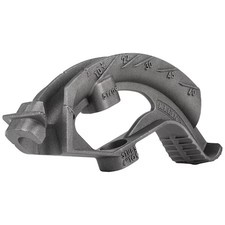
A conduit bender forms precise bends in EMT, rigid, and IMC conduit. Hand benders use leverage against a calibrated bending shoe; mechanical and hydraulic benders are used for larger conduit sizes. The bender's shoe has degree markings that allow electricians to form 10°, 22.5°, 30°, 45°, 60°, and 90° bends accurately.

This guide covers Conduit Benders as part of our Electrician Hand Tools reference. Below you\'ll find current listings alongside information on how these tools are used, what separates professional-grade from consumer options, and what to examine when evaluating a specific tool.

Part of our Electrician Hand Tools guide. The listings above are pulled live and reflect current availability.

Loading live listings…
Via eBay • Live results

Loading current listings…

Buying Guide: What to Know Before You Buy

How Conduit Benders Are Used

Used on every commercial and industrial electrical installation where conduit must navigate corners, avoid obstacles, or transition between surfaces. A skilled electrician can produce "saddle bends," offsets, and segment bends to route conduit around any obstacle without fittings.

Leading Brands

Greenlee dominates the professional conduit bender market -- their hand benders for 1/2" through 1" EMT are found in almost every commercial electrician's van. Klein Tools also makes quality hand benders. For hydraulic benders (1-1/4" and larger), Greenlee hydraulic sets are the standard.

What to Inspect

Examine the bending shoe for cracks, deformation, or worn degree markings. Check the hook and saddle for damage. The handle should be straight -- a bent handle makes accurate work impossible. Verify the star point and degree marks are legible.

Related Searches

Frequently Asked Questions

What is a Conduit Benders and what is it used for?
A conduit bender forms precise bends in EMT, rigid, and IMC conduit. Hand benders use leverage against a calibrated bending shoe; mechanical and hydraulic benders are used for larger conduit sizes. The bender's shoe has degree markings that allow electricians to form 10°, 22.5°, 30°, 45°, 60°, and 90° bends accurately. Used on every commercial and industrial electrical installation where conduit must navigate corners, avoid obstacles, or transition between surfaces. A skilled electrician can produce "saddle bends," offsets, and segment bends to route conduit around any obstacle without fittings.
What brands make the best Conduit Benders?
Greenlee dominates the professional conduit bender market -- their hand benders for 1/2" through 1" EMT are found in almost every commercial electrician's van. Klein Tools also makes quality hand benders. For hydraulic benders (1-1/4" and larger), Greenlee hydraulic sets are the standard.
What should I inspect when evaluating a used Conduit Benders?
Examine the bending shoe for cracks, deformation, or worn degree markings. Check the hook and saddle for damage. The handle should be straight -- a bent handle makes accurate work impossible. Verify the star point and degree marks are legible.
What is the difference between professional and consumer Conduit Benders?
Professional-grade Conduit Benders are built to different specifications than consumer versions -- heavier steel, tighter tolerances, more robust mechanisms, and longer-lasting surface treatments. The practical difference shows up in accuracy over time, performance under sustained use, and longevity. A professional tool used daily for a career represents a much better value than replacing consumer versions every few years.
How are Conduit Benders used differently across industries?
Used on every commercial and industrial electrical installation where conduit must navigate corners, avoid obstacles, or transition between surfaces. A skilled electrician can produce "saddle bends," offsets, and segment bends to route conduit around any obstacle without fittings. Different industries also have different standards for tool condition and calibration -- a machinist\'s requirements for a measuring tool differ from a carpenter\'s, even when using the same instrument.
As an eBay Partner Network Affiliate, we may earn a commission at no additional cost to you.