As an eBay Partner Network Affiliate, we may earn a commission at no additional cost to you.

Vacuum Pumps -- Professional Guide

📅 Updated May 15, 2026 🔗 BuyUsed.Tools Blog

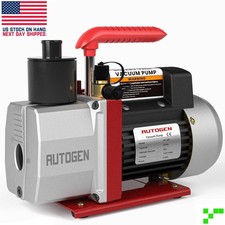
An HVAC vacuum pump removes air, nitrogen, and moisture from a refrigerant system before charging. Measured in microns, a deep vacuum (below 500 microns) ensures no residual contaminants remain that could cause acid formation, freeze in the metering device, or reduce system efficiency. Two-stage pumps achieve deeper vacuums than single-stage.

This guide covers Vacuum Pumps as part of our HVAC Tools reference. Below you\'ll find current listings alongside information on how these tools are used, what separates professional-grade from consumer options, and what to examine when evaluating a specific tool.

Part of our HVAC Tools guide. The listings above are pulled live and reflect current availability.

Loading live listings…
Via eBay • Live results

Loading current listings…

Buying Guide: What to Know Before You Buy

How Vacuum Pumps Are Used

Required on every new installation, after any repair that opens the refrigerant circuit, or whenever system contamination is suspected. Proper evacuation to 200-300 microns is best practice and required by EPA regulations before refrigerant introduction.

Leading Brands

JB Industries, Yellow Jacket, Fieldpiece, and Robinair make professional vacuum pumps. The JB DV-200N and Yellow Jacket 93600 are popular in the field. Pump oil condition matters enormously -- a pump with degraded oil won't reach target vacuum and should have its oil changed before use.

What to Inspect

A used vacuum pump should be tested with a micron gauge to verify it achieves below 500 microns. Check for oil leaks and inspect the exhaust for contaminated or milky oil (water intrusion). Ask when the oil was last changed -- fresh oil is inexpensive and transforms pump performance.

Related Searches

Frequently Asked Questions

What is a Vacuum Pumps and what is it used for?
An HVAC vacuum pump removes air, nitrogen, and moisture from a refrigerant system before charging. Measured in microns, a deep vacuum (below 500 microns) ensures no residual contaminants remain that could cause acid formation, freeze in the metering device, or reduce system efficiency. Two-stage pumps achieve deeper vacuums than single-stage. Required on every new installation, after any repair that opens the refrigerant circuit, or whenever system contamination is suspected. Proper evacuation to 200-300 microns is best practice and required by EPA regulations before refrigerant introduction.
What brands make the best Vacuum Pumps?
JB Industries, Yellow Jacket, Fieldpiece, and Robinair make professional vacuum pumps. The JB DV-200N and Yellow Jacket 93600 are popular in the field. Pump oil condition matters enormously -- a pump with degraded oil won't reach target vacuum and should have its oil changed before use.
What should I inspect when evaluating a used Vacuum Pumps?
A used vacuum pump should be tested with a micron gauge to verify it achieves below 500 microns. Check for oil leaks and inspect the exhaust for contaminated or milky oil (water intrusion). Ask when the oil was last changed -- fresh oil is inexpensive and transforms pump performance.
What is the difference between professional and consumer Vacuum Pumps?
Professional-grade Vacuum Pumps are built to different specifications than consumer versions -- heavier steel, tighter tolerances, more robust mechanisms, and longer-lasting surface treatments. The practical difference shows up in accuracy over time, performance under sustained use, and longevity. A professional tool used daily for a career represents a much better value than replacing consumer versions every few years.
How are Vacuum Pumps used differently across industries?
Required on every new installation, after any repair that opens the refrigerant circuit, or whenever system contamination is suspected. Proper evacuation to 200-300 microns is best practice and required by EPA regulations before refrigerant introduction. Different industries also have different standards for tool condition and calibration -- a machinist\'s requirements for a measuring tool differ from a carpenter\'s, even when using the same instrument.
As an eBay Partner Network Affiliate, we may earn a commission at no additional cost to you.