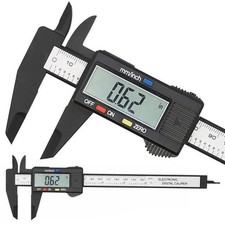
Micrometers -- Professional Guide
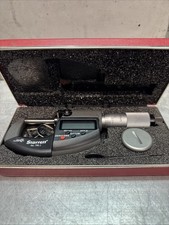
A micrometer measures dimensions to 0.0001" (0.001mm) using a precision screw mechanism. Outside micrometers measure shaft and part diameters; inside micrometers measure bore diameters; depth micrometers measure depths and steps. The thimble and barrel markings allow reading to ten-thousandths of an inch.
This guide covers Micrometers as part of our Measuring Tools reference. Below you\'ll find current listings alongside information on how these tools are used, what separates professional-grade from consumer options, and what to examine when evaluating a specific tool.
Part of our Measuring Tools guide. The listings above are pulled live and reflect current availability.
Buying Guide: What to Know Before You Buy
How Micrometers Are Used
Critical for engine rebuilding -- measuring crankshaft journals, camshaft lobes, piston diameters, and bearing clearances. Used in precision machining to verify part dimensions after turning, grinding, or boring. Quality control inspection in manufacturing. The higher accuracy of a micrometer versus a caliper is necessary when tolerances are measured in tenths.
Leading Brands
Mitutoyo, Starrett, and Brown & Sharpe are the professional standards. A used Mitutoyo micrometer in good condition is one of the best precision tool purchases available -- they maintain calibration exceptionally well and are built to last generations.
What to Inspect
Clean the measuring faces and check with a standard or gauge block if available. The thimble should move smoothly with consistent drag from the friction thimble or ratchet stop. Check for play in the spindle. Verify the lock works. Micrometers that have been dropped may have bent frames that cannot be repaired.
Related Searches
Frequently Asked Questions
What is a Micrometers and what is it used for?
A micrometer measures dimensions to 0.0001" (0.001mm) using a precision screw mechanism. Outside micrometers measure shaft and part diameters; inside micrometers measure bore diameters; depth micrometers measure depths and steps. The thimble and barrel markings allow reading to ten-thousandths of an inch. Critical for engine rebuilding -- measuring crankshaft journals, camshaft lobes, piston diameters, and bearing clearances. Used in precision machining to verify part dimensions after turning, grinding, or boring. Quality control inspection in manufacturing. The higher accuracy of a micrometer versus a caliper is necessary when tolerances are measured in tenths.
What brands make the best Micrometers?
Mitutoyo, Starrett, and Brown & Sharpe are the professional standards. A used Mitutoyo micrometer in good condition is one of the best precision tool purchases available -- they maintain calibration exceptionally well and are built to last generations.
What should I inspect when evaluating a used Micrometers?
Clean the measuring faces and check with a standard or gauge block if available. The thimble should move smoothly with consistent drag from the friction thimble or ratchet stop. Check for play in the spindle. Verify the lock works. Micrometers that have been dropped may have bent frames that cannot be repaired.
What is the difference between professional and consumer Micrometers?
Professional-grade Micrometers are built to different specifications than consumer versions -- heavier steel, tighter tolerances, more robust mechanisms, and longer-lasting surface treatments. The practical difference shows up in accuracy over time, performance under sustained use, and longevity. A professional tool used daily for a career represents a much better value than replacing consumer versions every few years.
How are Micrometers used differently across industries?
Critical for engine rebuilding -- measuring crankshaft journals, camshaft lobes, piston diameters, and bearing clearances. Used in precision machining to verify part dimensions after turning, grinding, or boring. Quality control inspection in manufacturing. The higher accuracy of a micrometer versus a caliper is necessary when tolerances are measured in tenths. Different industries also have different standards for tool condition and calibration -- a machinist\'s requirements for a measuring tool differ from a carpenter\'s, even when using the same instrument.
As an eBay Partner Network Affiliate, we may earn a commission at no additional cost to you.




![Shars 0-1" 0.00005"/0.001mm Digital Electronic Outside Micrometer P]](https://i.ebayimg.com/images/g/3q4AAOSwfSJdTGlm/s-l225.jpg)