Pipe Threaders -- Professional Guide
A pipe wrench grips and turns pipes and cylindrical fittings using a spring-loaded upper jaw that self-tightens as turning force is applied. The serrated hardened steel jaws bite into soft pipe material -- intentionally leaving marks, which is acceptable on pipe that will be hidden in walls or below grade.
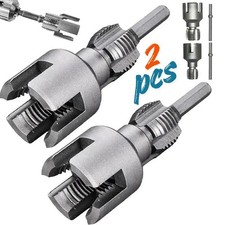
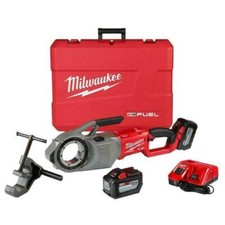
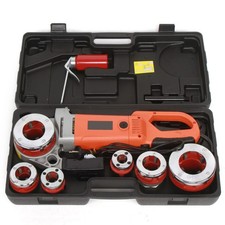
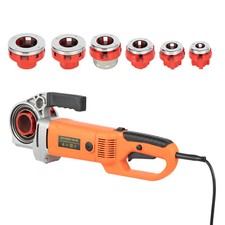
This guide covers Pipe Threaders as part of our Plumbing Hand Tools reference. Below you\'ll find current listings alongside information on how these tools are used, what separates professional-grade from consumer options, and what to examine when evaluating a specific tool.
Part of our Plumbing Hand Tools guide. The listings above are pulled live and reflect current availability.
Buying Guide: What to Know Before You Buy
How Pipe Threaders Are Used
The primary tool for assembling and disassembling threaded pipe connections in plumbing, gas, and industrial piping systems. Used in pairs for opposing force: one wrench holds the fitting, the other turns the pipe. Common sizes are 10", 14", and 18" for most residential and light commercial work.
Leading Brands
Ridgid is the benchmark for pipe wrenches and plumbing tools -- their pipe wrenches are forged from aluminum (lightweight models) or ductile iron and are virtually indestructible with basic maintenance. Reed Tool and Rothenberger also produce professional-quality pipe wrenches.
What to Inspect
Check jaw serrations for wear -- badly worn jaws will slip on pipe. The adjustment nut and spring mechanism should move smoothly. Inspect the heel jaw for cracks. Replacement jaws and springs are available for Ridgid wrenches, so a worn-jaw tool is still a good value.
Related Searches
Frequently Asked Questions
What is a Pipe Threaders and what is it used for?
A pipe wrench grips and turns pipes and cylindrical fittings using a spring-loaded upper jaw that self-tightens as turning force is applied. The serrated hardened steel jaws bite into soft pipe material -- intentionally leaving marks, which is acceptable on pipe that will be hidden in walls or below grade. The primary tool for assembling and disassembling threaded pipe connections in plumbing, gas, and industrial piping systems. Used in pairs for opposing force: one wrench holds the fitting, the other turns the pipe. Common sizes are 10", 14", and 18" for most residential and light commercial work.
What brands make the best Pipe Threaders?
Ridgid is the benchmark for pipe wrenches and plumbing tools -- their pipe wrenches are forged from aluminum (lightweight models) or ductile iron and are virtually indestructible with basic maintenance. Reed Tool and Rothenberger also produce professional-quality pipe wrenches.
What should I inspect when evaluating a used Pipe Threaders?
Check jaw serrations for wear -- badly worn jaws will slip on pipe. The adjustment nut and spring mechanism should move smoothly. Inspect the heel jaw for cracks. Replacement jaws and springs are available for Ridgid wrenches, so a worn-jaw tool is still a good value.
What is the difference between professional and consumer Pipe Threaders?
Professional-grade Pipe Threaders are built to different specifications than consumer versions -- heavier steel, tighter tolerances, more robust mechanisms, and longer-lasting surface treatments. The practical difference shows up in accuracy over time, performance under sustained use, and longevity. A professional tool used daily for a career represents a much better value than replacing consumer versions every few years.
How are Pipe Threaders used differently across industries?
The primary tool for assembling and disassembling threaded pipe connections in plumbing, gas, and industrial piping systems. Used in pairs for opposing force: one wrench holds the fitting, the other turns the pipe. Common sizes are 10", 14", and 18" for most residential and light commercial work. Different industries also have different standards for tool condition and calibration -- a machinist\'s requirements for a measuring tool differ from a carpenter\'s, even when using the same instrument.
As an eBay Partner Network Affiliate, we may earn a commission at no additional cost to you.