As an eBay Partner Network Affiliate, we may earn a commission at no additional cost to you.

Screwdrivers & Bits -- Professional Guide

📅 Updated May 15, 2026 🔗 BuyUsed.Tools Blog

Hand tools are the foundation of every trade. While power tools handle volume work, hand tools provide the precision, control, and access that no power tool can match. Quality hand tools from professional brands are engineered to last an entire career.

This guide covers Screwdrivers & Bits across 5 tool types. Each section addresses what the tool does, how it\'s used across different applications, and what to look for when evaluating quality.

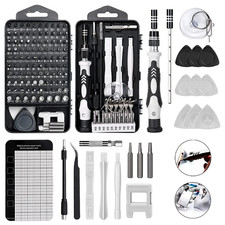
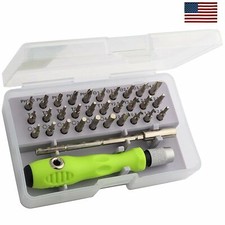
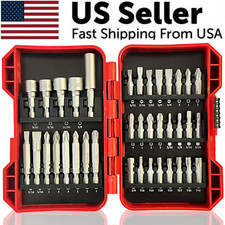
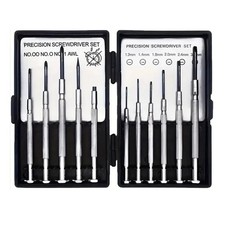
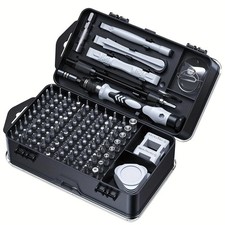
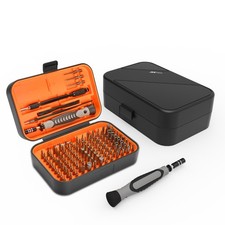
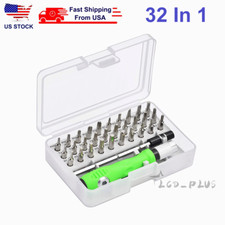
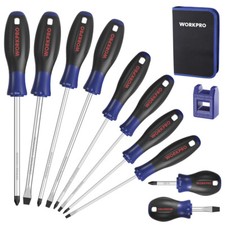
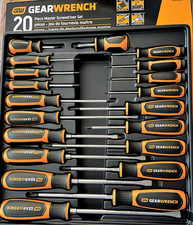
This category covers Screwdriver Sets, Precision Screwdrivers, Impact Driver Bits, Torx & Security Bits, Nut Drivers, and 0 more tool types. Use the subcategory links below to go deeper on any specific tool, or browse the current listings above for a broad view of what\'s available.

Loading live listings…
Via eBay • Live results

Loading current listings…
Buying Guide: What to Know Before You Buy

How Screwdrivers & Bits Are Used

The preferred tool for production fastening: decking, framing, roofing, and any application involving volume screw driving. Particularly effective with construction screws (GRK, Spax, Torx-head) where impact-driving is an advantage. Not suitable where precise torque control is required.

Leading Brands

Milwaukee M18 FUEL, DeWalt ATOMIC/XR, and Makita 18V LXT lead the professional market. Milwaukee's POWERSTATE motor technology is widely considered the benchmark for torque and run-time. Ridgid and Ryobi offer solid value for lighter-duty use.

What to Inspect

Listen for smooth, consistent impact engagement -- a worn mechanism produces irregular impacts. Check the bit holder for solid retention (hex bits should seat and release cleanly). Test all speed modes if the driver has multiple settings.

Frequently Asked Questions

What is a Screwdrivers & Bits and what is it used for?
An impact driver uses a spring-loaded hammer mechanism to deliver rotational impacts when resistance is encountered, multiplying torque output far beyond what a standard drill produces. This allows driving long fasteners, large lag screws, and stubborn bolts without the cam-out and wrist strain associated with a drill/driver. The preferred tool for production fastening: decking, framing, roofing, and any application involving volume screw driving. Particularly effective with construction screws (GRK, Spax, Torx-head) where impact-driving is an advantage. Not suitable where precise torque control is required.
What brands make the best Screwdrivers & Bits?
Milwaukee M18 FUEL, DeWalt ATOMIC/XR, and Makita 18V LXT lead the professional market. Milwaukee's POWERSTATE motor technology is widely considered the benchmark for torque and run-time. Ridgid and Ryobi offer solid value for lighter-duty use.
What should I inspect when evaluating a used Screwdrivers & Bits?
Listen for smooth, consistent impact engagement -- a worn mechanism produces irregular impacts. Check the bit holder for solid retention (hex bits should seat and release cleanly). Test all speed modes if the driver has multiple settings.
What is the difference between professional and consumer Screwdrivers & Bits?
Professional-grade Screwdrivers & Bits are built to different specifications than consumer versions -- heavier steel, tighter tolerances, more robust mechanisms, and longer-lasting surface treatments. The practical difference shows up in accuracy over time, performance under sustained use, and longevity. A professional tool used daily for a career represents a much better value than replacing consumer versions every few years.
How are Screwdrivers & Bits used differently across industries?
The preferred tool for production fastening: decking, framing, roofing, and any application involving volume screw driving. Particularly effective with construction screws (GRK, Spax, Torx-head) where impact-driving is an advantage. Not suitable where precise torque control is required. Different industries also have different standards for tool condition and calibration -- a machinist\'s requirements for a measuring tool differ from a carpenter\'s, even when using the same instrument.
As an eBay Partner Network Affiliate, we may earn a commission at no additional cost to you.