Top Chests -- Professional Guide
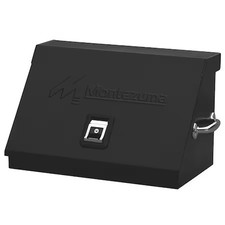
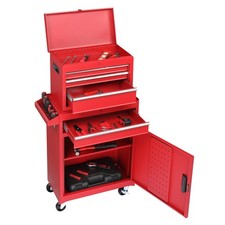
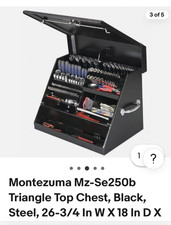
A tool chest (top chest or bottom cabinet) provides organized, secure storage for hand tools in a professional shop setting. Top chests sit on workbenches and hold frequently used tools; rolling bottom cabinets provide mass storage and mobility. Series systems allow stacking and combining units as a tool collection grows.
This guide covers Top Chests as part of our Tool Boxes & Chests reference. Below you\'ll find current listings alongside information on how these tools are used, what separates professional-grade from consumer options, and what to examine when evaluating a specific tool.
Part of our Tool Boxes & Chests guide. The listings above are pulled live and reflect current availability.
Buying Guide: What to Know Before You Buy
How Top Chests Are Used
The organizational backbone of every professional shop. Mechanics arrange sockets, wrenches, and specialty tools so the most-used items are immediately accessible. Tool storage also protects precision instruments from damage and provides accountability in shop environments.
Leading Brands
Snap-on and Matco produce the premium market -- machined to tight tolerances, fitted with ball-bearing slides, and built to last a career. Mac Tools is comparable quality. US General (Harbor Freight) has dramatically improved and offers remarkable value at the consumer end. Husky and Craftsman fall in the mid-range.
What to Inspect
Open and close every drawer -- slides should be smooth throughout the full range with no binding or racking. Check welds at the corners, handles, and hinge points. Inspect the lock cylinder and verify the key works. Surface rust is cosmetic; structural rust at welds is a disqualifier.
Related Searches
Frequently Asked Questions
What is a Top Chests and what is it used for?
A tool chest (top chest or bottom cabinet) provides organized, secure storage for hand tools in a professional shop setting. Top chests sit on workbenches and hold frequently used tools; rolling bottom cabinets provide mass storage and mobility. Series systems allow stacking and combining units as a tool collection grows. The organizational backbone of every professional shop. Mechanics arrange sockets, wrenches, and specialty tools so the most-used items are immediately accessible. Tool storage also protects precision instruments from damage and provides accountability in shop environments.
What brands make the best Top Chests?
Snap-on and Matco produce the premium market -- machined to tight tolerances, fitted with ball-bearing slides, and built to last a career. Mac Tools is comparable quality. US General (Harbor Freight) has dramatically improved and offers remarkable value at the consumer end. Husky and Craftsman fall in the mid-range.
What should I inspect when evaluating a used Top Chests?
Open and close every drawer -- slides should be smooth throughout the full range with no binding or racking. Check welds at the corners, handles, and hinge points. Inspect the lock cylinder and verify the key works. Surface rust is cosmetic; structural rust at welds is a disqualifier.
What is the difference between professional and consumer Top Chests?
Professional-grade Top Chests are built to different specifications than consumer versions -- heavier steel, tighter tolerances, more robust mechanisms, and longer-lasting surface treatments. The practical difference shows up in accuracy over time, performance under sustained use, and longevity. A professional tool used daily for a career represents a much better value than replacing consumer versions every few years.
How are Top Chests used differently across industries?
The organizational backbone of every professional shop. Mechanics arrange sockets, wrenches, and specialty tools so the most-used items are immediately accessible. Tool storage also protects precision instruments from damage and provides accountability in shop environments. Different industries also have different standards for tool condition and calibration -- a machinist\'s requirements for a measuring tool differ from a carpenter\'s, even when using the same instrument.
As an eBay Partner Network Affiliate, we may earn a commission at no additional cost to you.