MIG Welders -- Professional Guide
MIG (Metal Inert Gas) welding, technically GMAW (Gas Metal Arc Welding), feeds a continuous wire electrode through a gun while shielding gas protects the weld pool from atmospheric contamination. It's the fastest and most versatile welding process for production and repair work on steel, aluminum, and stainless steel from 24 gauge through 1/2" plate.
This guide covers MIG Welders as part of our Welding Equipment reference. Below you\'ll find current listings alongside information on how these tools are used, what separates professional-grade from consumer options, and what to examine when evaluating a specific tool.
Part of our Welding Equipment guide. The listings above are pulled live and reflect current availability.
Loading current listings…


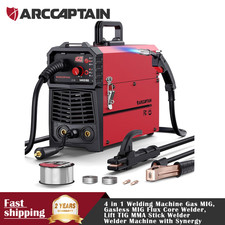

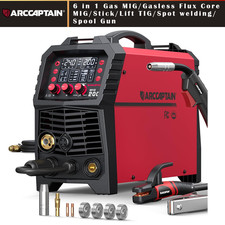


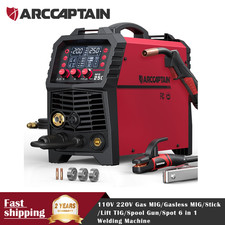


Buying Guide: What to Know Before You Buy
How MIG Welders Are Used
The dominant welding process in automotive fabrication, manufacturing, structural steel, and general repair shops. Auto body shops use 110V MIG welders for panel work; fabrication shops run 220V machines for structural work. The process is faster than TIG and more portable than submerged arc.
Leading Brands
Miller Electric and Lincoln Electric split the professional market. Miller Millermatic and Lincoln Power MIG series machines are the standard in most shops. Hobart (owned by Miller) offers excellent value at slightly lower price points. ESAB and Fronius are premium options seen in European-influenced shops and aerospace.
What to Inspect
Request a test weld. Listen for smooth, consistent arc sound -- popping or spattering indicates drive roll, liner, or tip issues. Check drive rolls for wear and the liner for kinks. Inspect the gun cable for kinks or damage. Wire feed speed and voltage controls should track smoothly.