Plasma Cutters -- Professional Guide
A plasma cutter uses a superheated, electrically conductive gas (plasma) to cut electrically conductive materials -- primarily steel, aluminum, stainless, brass, and copper. The plasma jet reaches temperatures exceeding 20,000°C, cutting cleanly through material from thin sheet to several inches thick depending on the machine's amperage rating.
This guide covers Plasma Cutters as part of our Welding Equipment reference. Below you\'ll find current listings alongside information on how these tools are used, what separates professional-grade from consumer options, and what to examine when evaluating a specific tool.
Part of our Welding Equipment guide. The listings above are pulled live and reflect current availability.
Loading current listings…


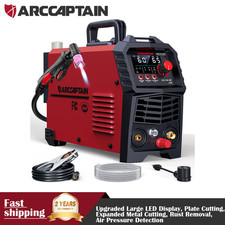


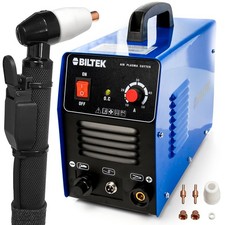
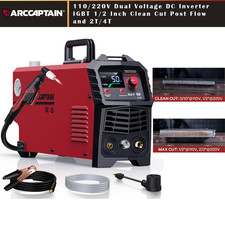


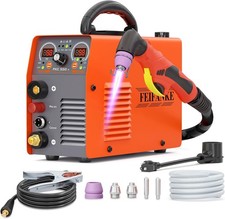

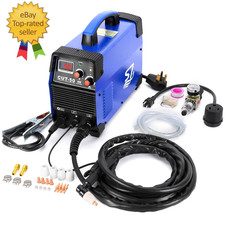
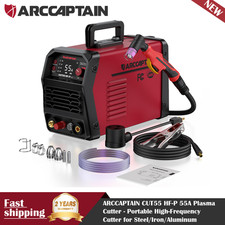
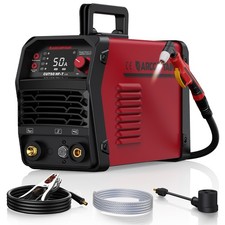
Buying Guide: What to Know Before You Buy
How Plasma Cutters Are Used
Used in metal fabrication, automotive restoration, HVAC duct fabrication, and any job requiring fast, clean cuts in metal. Plasma cutting is faster than oxy-acetylene on thin material and produces a narrower kerf with less heat distortion. CNC plasma tables in production shops cut precise parts from flat stock.
Leading Brands
Hypertherm dominates the professional plasma cutter market -- their Powermax series is found in fabrication shops worldwide and is renowned for cut quality and consumable life. Miller Spectrum and Lincoln Tomahawk series are solid alternatives. Thermal Dynamics also produces professional-grade systems.
What to Inspect
Check the pilot arc starts reliably. Inspect the torch body and lead for damage -- plasma torches run hot and leads crack with age. Verify consumables (tip, electrode, shield) are available and examine their current condition. Test cut on scrap material to verify cut quality and speed.